
Is It Your Back, or Is It Your Hip?
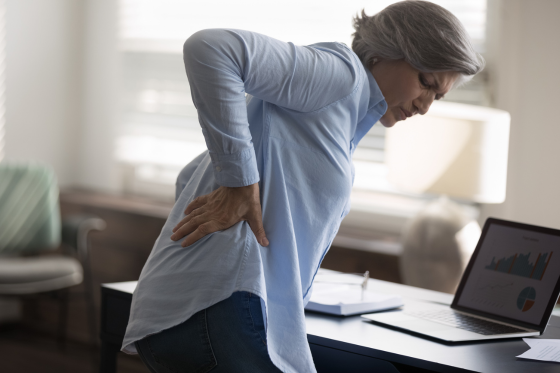
There is a particular group of people who have been treated for back pain for a long time without much progress.
They have had the exercises. Possibly injections. Possibly a scan showing degenerative changes in the lumbar spine, which seemed to confirm the diagnosis.
And the thing actually causing their symptoms is a hip.
This happens often enough to have a name, and the figures around it are worth knowing.
Why the Two Get Confused
The anatomy explains most of it.
Both regions refer pain to the same places. Hip problems and lumbar spine problems can each produce symptoms in the low back, the buttock, the groin, the thigh and the knee.
The reason is that the femoral, sciatic and obturator nerves all course from the lumbar spine through the hip region, which means a problem anywhere along that path can be felt anywhere else along it.
So a patient pointing at their buttock and saying it hurts has given you almost no information about where the problem is.
And the degenerative changes are common in both places, which means a scan showing lumbar degeneration in somebody over 60 is close to an expected finding rather than an explanation.
Hip Spine Syndrome
The term describes the coexistence of degenerative conditions affecting both the hip and the lumbar spine, where a problem in one region influences symptoms and mechanics in the other.
It is not rare. Reported figures indicate that 20 to 30 percent of patients with hip osteoarthritis also have significant lumbar spine pathology.
And the relationship runs both ways. Reduced movement at the lumbar spine increases stress on the hip, and altered hip mechanics affect the spine. Each can drive the other.
Which creates the clinical difficulty. Many of these patients genuinely have both, and the question is not which one they have but which one is producing the symptoms that bother them.
The Single Most Useful Symptom
Groin pain.
Research reports that groin pain is 84.3 percent sensitive and 70.3 percent specific for hip osteoarthritis.
Which makes it one of the more informative single symptoms available in this area.
Practically: if your pain includes the groin, the hip belongs firmly in the conversation. If it does not, hip osteoarthritis becomes considerably less likely, though not impossible.
There is also a characteristic gesture clinicians look for, sometimes called the C sign. Asked to show where it hurts, the patient grasps the side of the hip with the thumb behind and the index finger into the groin, forming a C shape.
People do this without being prompted, and it points toward the hip joint itself rather than to the back.
Other Features Pointing to the Hip
Reduced hip internal rotation. This is one of the more reliable examination findings. Lie on your back, bend the hip and knee to 90 degrees, and rotate the lower leg outward, which turns the hip inward. Compare sides.
A clear restriction, particularly with pain at the end of the range, points toward the joint.
Pain on hip movement generally, including putting on shoes and socks, getting in and out of a car, and crossing your legs.
Pain deep in the buttock during squatting.
A limp, particularly one that has developed gradually.
And pain referred to the knee, which is common with hip problems and frequently misleads people entirely.
Features Pointing to the Spine
Symptoms that travel below the knee, particularly with numbness, tingling or weakness in a defined pattern.
Symptoms that change with back position. Better bending forward, worse standing and walking, or the reverse.
The shopping cart sign, meaning you can push a trolley around a supermarket comfortably while walking the same distance unaided is difficult. That pattern points toward spinal stenosis and is covered in more detail elsewhere.
Start up pain in the back or buttock on initiating movement.
And back pain that varies with sitting, which is characteristic of lumbar rather than hip problems.
The Overlap Problem
Plenty of people have both, and the figures above tell you that.
Which means the question for somebody with both is which one is producing the symptoms that are actually limiting them.
One approach clinicians use is a diagnostic injection into the hip joint. If symptoms improve substantially, that implicates the hip. If they do not, attention moves to the spine.
And there is outcome data supporting the importance of getting this right.
Research examining patients with coexisting hip and spine pathology who had low back pain found that two thirds had reduced back pain following total hip replacement, with half of the original group having known spine disorders.
Read that carefully. A proportion of people with longstanding low back pain and degenerative spine findings had their back pain improve after a hip operation, which tells you the hip was driving it.
Why This Matters to You
Because treatment differs completely.
If the hip is the source, hip specific strengthening, mobility work, load management and in some cases a surgical opinion are the relevant path.
If the spine is the source, the approach is entirely different.
And if you have been treated for one for a long time without progress, the other is worth considering.
That is the single practical message of this article. Lack of progress is information, and it is a reason to revisit the diagnosis rather than to try harder at the same plan.
Questions Worth Answering Before Your Appointment
Does your pain include the groin?
If asked to show where it hurts, where do your hands go?
Does it travel below the knee, and is there numbness or tingling in a defined pattern?
Is it worse putting on shoes and socks, or getting out of a car?
Does pushing a trolley make walking easier?
Does sitting change it?
And does anything about your back position reliably alter it?
Those seven answers narrow this considerably, and they are the information most people never think to collect before an appointment.
Symptoms That Need Prompt Medical Attention
Go to the emergency department immediately for numbness in the groin, genitals or inner thighs, new difficulty controlling your bladder or bowels or starting to pass urine, or weakness in both legs.
Seek prompt medical assessment for progressive weakness in a leg or foot, a foot that drops or catches, back or hip pain with fever, unexplained weight loss or night sweats, severe unrelenting night pain that does not change with position, pain following a significant fall, any history of cancer with new back or hip pain, or an inability to bear weight.
And a specific one for hip pain: groin pain that is worsening with weight bearing activity, particularly in somebody with risk factors, warrants proper assessment rather than a stretching routine.
Get Both Regions Assessed
The most useful appointment examines the hip and the spine together, because that is the only way to work out which one is generating your symptoms.
Power Physical Therapy offers a free discovery visit at no cost and no obligation. You will get a thorough assessment of your back, hip and movement, a clear explanation of what the pattern points toward, and a plan targeting the right region.
If your presentation suggests imaging or a specialist opinion is warranted, we will tell you plainly and help you get there.
