
Understanding Joint Stiffness: Why It Happens and How to Restore Comfortable Movement
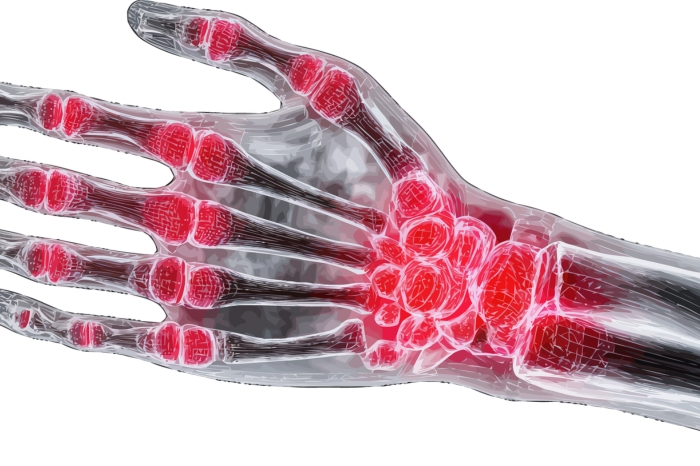
Joint stiffness is one of the most common physical complaints across all age groups. It can show up first thing in the morning, after long periods of sitting, during colder weather, or after changes in activity levels. For some, it feels like tightness that eases once they get moving. For others, it lingers and begins to limit daily activities.
While stiffness is often brushed off as “just getting older,” it is rarely that simple. In most cases, stiffness reflects changes in movement patterns, strength, circulation, workload, or recovery. The encouraging part is that many of these factors can be addressed.
Understanding why stiffness occurs is the first step toward restoring comfortable, confident movement.
What Is Joint Stiffness?
Joint stiffness refers to a sensation of restricted or resistant movement within a joint. It may feel like:
- Tightness
- Reduced range of motion
- Heaviness or resistance
- Mild discomfort at end ranges
- Slowness when initiating movement
It is important to note that stiffness does not always indicate structural damage. Often, it reflects temporary changes in tissue elasticity, muscle tone, or nervous system sensitivity.
Common Causes of Joint Stiffness
Joint stiffness can develop for several reasons, including:
1. Reduced Movement
The human body thrives on movement. Prolonged sitting or inactivity decreases circulation and reduces joint lubrication. Over time, tissues become less pliable and movement feels restricted.
2. Muscle Imbalance
If certain muscles are weak or underactive, others may compensate by tightening. This imbalance can create joint compression and reduced mobility.
3. Overuse or Repetitive Strain
Repetitive activity without adequate recovery can lead to protective tightness around a joint.
4. Inflammation
Temporary inflammatory responses from minor irritation or workload spikes can create a sensation of stiffness, especially in the morning.
5. Stress and Recovery Factors
Sleep quality, stress levels, and hydration all influence tissue sensitivity and muscle tone.
Joint stiffness is often multifactorial, meaning several elements are contributing at once.
Why Stiffness Feels Worse in the Morning
Morning stiffness is extremely common. Overnight, movement decreases and joints remain in static positions for extended periods. Fluid distribution changes slightly, and muscles cool down.
Once movement resumes, circulation improves and tissues warm up, which is why stiffness often eases after 10 to 20 minutes of activity.
If stiffness persists well beyond that window, it may indicate underlying mobility or strength limitations that require attention.
The Role of Strength in Joint Mobility
It may seem counterintuitive, but improving mobility often requires strengthening.
When a joint lacks muscular support, the body may create protective tightness. This is a natural stabilizing response. Simply stretching without addressing strength can provide short term relief but may not resolve the root issue.
For example:
- Tight hips may reflect weak glute muscles
- Stiff shoulders may relate to poor upper back control
- Ankle stiffness may stem from calf weakness
By building strength around the joint, the nervous system becomes more comfortable allowing full range of motion.
Stretching: Helpful but Not Always Enough
Stretching can improve flexibility, especially when paired with controlled breathing and proper technique. However, stretching alone rarely solves chronic stiffness.
Effective mobility programs often include:
- Dynamic mobility drills
- Strength exercises through full range
- Balance and coordination work
- Gradual load progression
Mobility improves when tissues are both flexible and strong.
The Impact of Load Management
One common contributor to stiffness is sudden change in activity level.
Starting a new workout routine, increasing mileage too quickly, or returning to sport after inactivity can overload tissues that are not yet prepared.
Conversely, reducing activity drastically can also increase stiffness.
Gradual progression is key. The body adapts to stress when introduced appropriately.
Joint Stiffness and Aging
While age related changes in collagen and joint surfaces do occur, stiffness is not an inevitable decline.
Research consistently shows that regular strength training improves joint mobility in adults of all ages. Muscle mass naturally declines without stimulus, which can contribute to joint instability and stiffness.
The solution is not less movement. It is smarter movement.
Practical Strategies to Reduce Joint Stiffness
Here are evidence informed approaches that support mobility:
- Move frequently throughout the day
- Incorporate strength training two to three times weekly
- Warm up before exercise
- Prioritize sleep and hydration
- Progress activity gradually
- Address asymmetries or imbalances
If stiffness persists despite these strategies, a physical therapy evaluation can identify specific contributing factors.
When to Seek Professional Guidance
Consider seeking evaluation if:
- Stiffness lasts longer than 30 minutes each morning
- Movement limitations are worsening
- Swelling accompanies stiffness
- Stiffness interferes with work or recreation
- You are avoiding activities you previously enjoyed
Early intervention often prevents chronic compensation patterns.
Long Term Perspective
Joint stiffness is often a signal that the body needs adjustment, not avoidance.
With proper assessment, structured strengthening, and intelligent progression, many individuals regain comfortable mobility.
Movement should feel supported, not forced. Strength should feel progressive, not overwhelming. And stiffness should not dictate your lifestyle.
With the right approach, your joints can remain resilient and responsive for years to come.
📞 Call us at (714) 557-2100 or book online here: Request Free Discovery Visit