
Neuropathy in the Fall: Why Symptoms Can Feel Worse and How to Stay Steady and Active
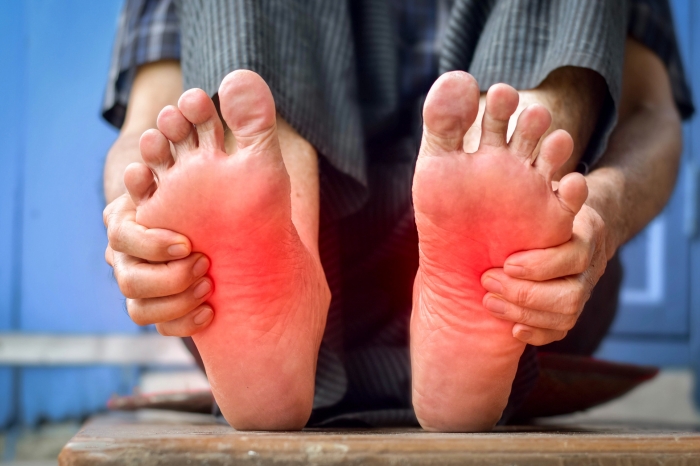
As the air turns cooler and the days grow shorter, many people notice subtle changes in how their bodies feel. For individuals managing neuropathy, fall can bring a shift in symptoms. Numbness may feel more pronounced. Tingling may linger longer. Balance might feel slightly less reliable, especially on uneven ground covered in leaves or damp sidewalks.
While neuropathy does not suddenly worsen because the season changes, environmental and lifestyle shifts during fall can influence how symptoms are experienced.
Understanding these seasonal factors can help you stay active, confident, and steady as we move into cooler months.
Why Fall Can Affect Neuropathy Symptoms
Neuropathy involves changes in how peripheral nerves send and receive signals. Common symptoms include:
- Numbness
- Tingling
- Burning sensations
- Sensitivity to touch
- Reduced balance awareness
Several fall specific factors may make these symptoms feel more noticeable.
1. Cooler Temperatures and Circulation
Cold weather naturally causes blood vessels to constrict slightly. For individuals with neuropathy, circulation already plays a key role in symptom management. Reduced blood flow to the hands and feet can temporarily increase stiffness, sensitivity, or numbness.
Warming up gradually and maintaining consistent movement becomes especially important in cooler months.
2. Reduced Activity Levels
As daylight shortens, many people spend more time indoors and less time walking or exercising outside. Reduced activity can decrease circulation, lower muscle engagement, and increase stiffness.
For individuals with neuropathy, prolonged sitting may amplify sensations in the feet or legs.
3. Uneven Outdoor Surfaces
Fall introduces environmental balance challenges:
- Wet leaves
- Uneven sidewalks
- Slippery driveways
- Early morning frost
If neuropathy affects proprioception, meaning your awareness of foot placement, these surfaces may increase fall risk.
The Importance of Strength and Balance in Fall
When sensation changes, strength and balance training become even more critical.
Strong muscles around the ankles, knees, and hips improve joint stability. Even if nerve signaling is altered, muscular support can compensate and improve confidence.
Balance training helps retrain the nervous system. Simple exercises such as single leg stance variations, heel to toe walking, and controlled step work can enhance stability.
Fall is an ideal time to prioritize this training before winter surfaces add additional challenges.
Managing Neuropathy Symptoms During Cooler Months
Here are practical strategies for fall:
Stay Warm
- Wear layered socks that do not restrict circulation
- Warm up before walking outdoors
- Avoid sudden exposure to cold temperatures
Move Consistently
- Take short walking breaks during the day
- Incorporate light mobility exercises in the morning
- Avoid long uninterrupted sitting
Strength Train
Focus on:
- Calf raises
- Seated and standing leg strengthening
- Hip stability exercises
- Core control
Strength improves shock absorption and stability.
Improve Home Safety
As daylight decreases:
- Ensure adequate lighting
- Remove loose rugs
- Use supportive footwear indoors
Fall Activities and Neuropathy
Autumn is still a great time to stay active. Walking trails, light hikes, and community events are common. With appropriate footwear and pacing, many individuals with neuropathy can continue enjoying these activities safely.
Footwear matters. Choose supportive shoes with:
- Firm heel counters
- Non slip soles
- Proper fit without excessive compression
Avoid worn out shoes, as reduced traction increases fall risk.
Understanding Fluctuations
Neuropathy symptoms often fluctuate naturally. Fall may highlight these changes due to environmental conditions, but fluctuations do not automatically indicate progression.
Monitoring patterns can help. Ask yourself:
- Do symptoms improve after movement?
- Do they worsen after prolonged sitting?
- Are they influenced by temperature changes?
This awareness helps guide activity adjustments.
When to Seek Guidance
Consider professional evaluation if you notice:
- Increasing balance concerns
- Frequent tripping
- Progressive numbness
- Reduced confidence walking outdoors
Early strengthening and mobility programs can significantly reduce fall risk and improve long term function.
Staying Ahead of Winter
Fall is the ideal time to build resilience before colder winter months. Strength, balance, and circulation work now create a foundation for safer movement later.
Neuropathy does not mean inactivity. With structured training and thoughtful planning, fall can remain an active and enjoyable season.
The goal is not to eliminate every sensation. It is to build enough strength, stability, and understanding that those sensations no longer dictate your lifestyle.