
Finding Comfort and Confidence This Holiday Season: How to Enjoy the Festivities When Living with Neuropathy
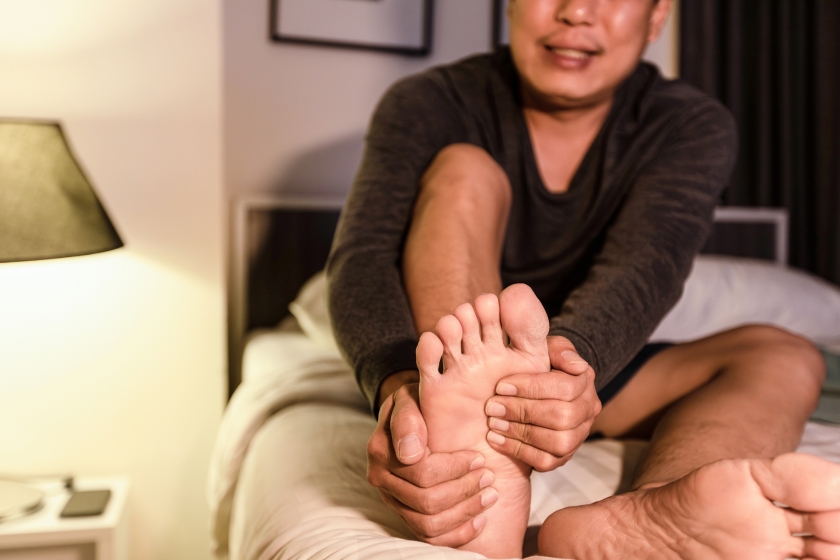
The holiday season is a time of connection, laughter, and tradition. But for those living with neuropathy, the months filled with family gatherings, travel, and celebration can also bring a mix of excitement and concern. The simple joy of walking through festive lights, standing while cooking a family meal, or writing holiday cards can sometimes feel more challenging than it used to.
At Power Physical Therapy and Sports Medicine, Dr. Mark Nowlin and his team understand that neuropathy affects more than just your feet or hands — it affects your confidence, your comfort, and your ability to fully enjoy the moments that matter most. The good news is that with the right care and awareness, this season can still be filled with comfort, safety, and connection.
Understanding Neuropathy and Why the Holidays Can Feel Harder
Neuropathy occurs when nerves are damaged, disrupting the signals that travel between your brain, spinal cord, and body. It can cause sensations such as numbness, tingling, burning, or weakness — most commonly in the hands and feet.
During the colder months, symptoms often become more noticeable. Cooler temperatures can tighten muscles, reduce circulation, and make walking or standing for long periods feel uncomfortable. Combine that with holiday routines that involve more activity — shopping, decorating, cooking, or traveling — and it’s easy to see why discomfort can increase.
But awareness is the first step toward enjoying a safe and happy holiday season.
Step One: Stay Steady and Safe While Walking
One of the most important things for people with neuropathy during the holidays is staying safe while walking. The combination of cold weather, uneven ground, and crowded spaces can make falls more likely, especially when sensation in the feet is reduced.
Dr. Nowlin encourages patients to think about preparation before every outing. A few small changes can make a big difference:
- Wear supportive shoes with cushioned soles and proper grip. Avoid walking barefoot, even indoors, where hard flooring can irritate sensitive nerves.
- Use assistive devices if needed. A walking stick or cane can offer stability and confidence when walking outdoors.
- Check your surroundings. Icy sidewalks, slippery leaves, and dim lighting can create hidden hazards. Take your time and avoid rushing.
- Warm up before heading out. Gentle ankle circles, toe taps, and light stretches can help increase blood flow and reduce stiffness before walking.
Safety should never feel like limitation. It is what allows you to stay active and participate fully in every moment.
Step Two: Keep Moving, Even When It’s Cold
It can be tempting to slow down during the winter months, especially if you feel discomfort in your legs or feet. But movement is one of the best ways to manage neuropathy. Regular exercise improves circulation, strengthens muscles, and keeps joints flexible.
You don’t need a gym or intense routine — just consistency. Dr. Nowlin recommends small, daily movements that fit naturally into your routine:
- A short morning walk around the neighbourhood
- Gentle stretches before bed
- Simple balance exercises near a counter or wall
- Light resistance training using body weight or bands
Even five to ten minutes of activity several times a day can make a meaningful difference. The goal is not intensity — it’s progress. Every step you take supports stronger nerves and greater mobility.
Step Three: Protect Circulation During Holiday Travel
Many people travel long distances during the holidays, whether by car or plane. Sitting for extended periods can reduce circulation and increase numbness or swelling in the legs and feet.
To protect your circulation:
- Take breaks during travel. If you are driving, stop every hour or two to walk for a few minutes. If you are on a plane, stand up and stretch when you can.
- Wear compression socks to support blood flow and prevent swelling.
- Stay hydrated. Dehydration can make nerve symptoms worse.
- Avoid crossing your legs for long periods. This can reduce circulation further.
Arriving at your destination with good circulation means you will have more energy to enjoy the people and activities waiting for you.
Step Four: Make Everyday Activities Easier
The holidays are filled with small joys that can feel more challenging with neuropathy — wrapping gifts, baking, decorating, or writing cards. These tasks require fine motor control, grip strength, and patience.
If you experience numbness or weakness in your hands, try the following adjustments:
- Use tools designed for comfort. Pens with wide grips, lightweight kitchen utensils, and scissors with padded handles reduce strain on the hands.
- Take breaks often. Rest your hands every 15 to 20 minutes when doing repetitive tasks.
- Use warmth to relax the muscles. A warm compress or mild hand massage can reduce stiffness before writing or cooking.
- Stretch gently. Small hand stretches and wrist circles can improve comfort and flexibility.
By pacing yourself and planning ahead, you can still enjoy every part of the season’s preparations without frustration or pain.
Step Five: Connect, Share, and Ask for Support
Living with neuropathy can sometimes feel isolating, especially during the holidays when you want to stay active and engaged. But you do not have to face it alone.
Tell family members or friends how they can help — whether that means carrying a heavy dish, adjusting plans to allow breaks, or simply being understanding when you need to rest. Most importantly, keep communication open. Social connection supports emotional wellbeing and can even reduce the perception of discomfort.
Dr. Nowlin reminds his patients that managing neuropathy is not just about the body — it’s also about confidence and mindset. When you feel supported, you move with greater ease and assurance.
Step Six: Prioritise Rest and Recovery
Amid the excitement of the holidays, it’s easy to overextend yourself. Late nights, long days, and increased activity can lead to fatigue and flare-ups of symptoms.
Be kind to yourself. Give your body permission to rest. Elevate your feet when sitting. Use gentle heat to soothe tired muscles. And remember that taking breaks is not a setback — it’s a strategy for staying consistent and strong.
Recovery is what allows you to keep enjoying the season without discomfort taking over.
How Physical Therapy Can Help You Stay Active and Independent
At Power Physical Therapy and Sports Medicine, Dr. Mark Nowlin takes a hands-on, personalised approach to treating neuropathy. Every person’s experience is different, so treatment begins with understanding your symptoms, goals, and daily challenges.
A tailored program may include:
- Targeted exercises to strengthen the legs, ankles, and feet
- Balance and stability training to reduce fall risk
- Manual therapy to improve flexibility and blood flow
- Education on footwear, daily habits, and self-care routines
The goal is not only to reduce discomfort but to help you live actively and independently — without relying on medication or invasive procedures.
Many patients who complete therapy report more confidence when walking, better sleep, and renewed energy for activities they once avoided. This is what Dr. Nowlin calls the “movement advantage” — restoring the body’s natural ability to heal through motion.
A Season to Look Forward To
This time of year is about more than gifts or gatherings. It is about being present, connected, and able to share moments with the people who matter most.
Even if neuropathy has changed how you move or feel, it does not have to limit your ability to enjoy life. Through thoughtful movement, awareness, and professional care, you can take back control of your comfort and rediscover the joy of the season.
Whether you are walking through holiday lights, spending time in the kitchen with family, or writing cards by the fire, there are ways to do it safely, comfortably, and confidently.
Take the First Step Toward Comfort and Confidence
If you have been living with neuropathy and want to move into the new year feeling stronger, now is the time to take action.
Contact Dr. Mark Nowlin and the team at Power Physical Therapy and Sports Medicine to schedule a consultation. Together, you can create a plan to improve your comfort, restore your confidence, and help you enjoy all that this season has to offer.
Because the best gift you can give yourself this holiday is the ability to move with comfort, balance, and freedom.